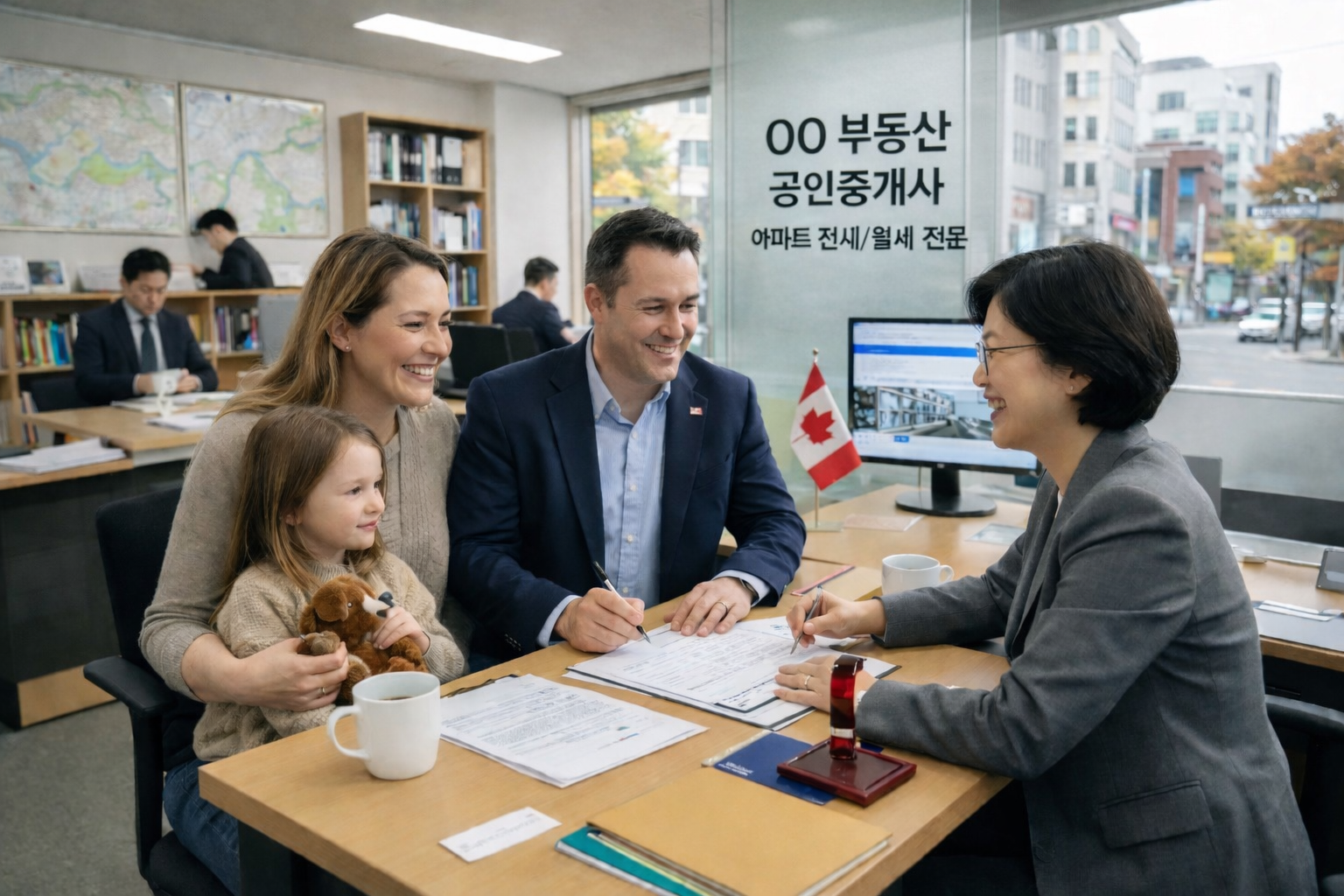
Introduction
Korea’s housing system is fundamentally different from what many international residents are accustomed to. Unlike conventional rental markets, Korea operates on a dual structure centered around jeonse (lump-sum deposit leases) and wolse (monthly rent), each with its own financial and contractual implications.
For foreigners relocating to Korea, understanding these systems is essential to navigating the market effectively and avoiding costly mistakes. This guide provides a structured overview of how housing works in Korea, including key terminology, contract mechanics, and practical considerations.
1. Key Housing Types in Korea
Korea offers a variety of residential property types, each suited to different lifestyles and budgets:
-
Apartments (아파트): High-rise buildings that dominate the housing market, offering modern amenities and strong infrastructure
-
Officetels (오피스텔): Mixed-use buildings designed for both residential and commercial purposes, popular among single professionals
-
Villas (빌라): Low-rise residential buildings, typically more affordable but with fewer shared amenities
-
One-room units (원룸): Studio-style apartments, commonly rented by students and young professionals
-
Hanok (한옥): Traditional Korean homes, less common but culturally significant
2. The Two Main Rental Systems
Using a rounded exchange rate of: ₩1,400 ≈ $1 USD (Rates fluctuate, this is for general guidance only)
|
Category |
Jeonse (전세) |
Wolse (월세) |
|---|---|---|
|
Upfront Cost |
Very high lump-sum deposit (often ~$215K – $715K+) |
Lower deposit (typically ~$3.6K – $71.5K) |
|
Monthly Payment |
None |
Required (varies by property and deposit level) |
|
Lease Term |
Typically 2 years |
Flexible (often 1–2 years) |
|
Cash Flow Impact |
High initial capital requirement, low ongoing expense |
Lower upfront cost, ongoing monthly expense |
|
Financial Risk |
Deposit return depends on landlord’s financial stability |
Lower financial exposure due to smaller deposit |
|
Flexibility |
Less flexible due to large capital commitment |
More flexible for short-term or transitional stays |
|
Typical Tenants |
Long-term residents with available capital |
Expats, students, and short-term residents |
|
Market Trend (2026) |
Gradually declining in popularity |
Increasingly common due to market shifts |
|
Negotiation Structure |
Limited flexibility once agreed |
Deposit and rent can often be adjusted inversely |
3. Additional Costs to Consider
When renting in Korea, it is important to account for additional expenses beyond rent:
Maintenance Fees (관리비)
-
Covers building maintenance, cleaning, and shared utilities
-
May include internet, water, or heating depending on the building
-
Typically ranges widely depending on property type
Brokerage Fees (중개수수료)
-
Paid to the real estate agent upon signing
-
Usually calculated as a percentage of the total transaction value
-
Commonly falls between approximately 0.4%–0.9% of the contract value
4. The Rental Process in Korea
The housing process in Korea is generally fast-paced and agent-driven:
Step 1: Work with a Real Estate Agent
Unlike many Western markets, listings are not fully centralized online. Visiting a local agent in your preferred neighborhood is often the most effective approach
Step 2: Property Viewing
Agents typically arrange multiple viewings in a short period. It is common to decide quickly, as desirable properties move fast.
Step 3: Contract Signing and Deposit Payment
-
A deposit (usually 10% of the total) is paid to secure the property
-
The remaining balance is paid before move-in
-
Contracts are typically binding once signed
Step 4: Move-In and Registration
-
Final inspection is conducted on move-in day
-
Tenants must register their address with local authorities
-
Utility accounts are transferred to the tenant
5. Important Considerations for Foreigners
Language Barrier
Most contracts and negotiations are conducted in Korean. Working with an English-speaking agent can significantly reduce risk and confusion.
Verification of Ownership
Always confirm that the landlord legally owns the property and has the right to lease it. This helps prevent disputes or fraud.
Deposit Risk Awareness
Since deposits can be substantial, it is important to assess:
-
Existing loans on the property
-
Owner’s financial stability
-
Legal protections available for tenants
Documentation and Payment Records
Maintain clear records of all payments and agreements. Electronic transfers are preferred for traceability.
6. Market Characteristics
-
The majority of Koreans live in apartment-style housing
-
The market is highly localized, with pricing varying significantly by district
-
Demand is influenced by proximity to transportation, schools, and business districts
-
Housing transactions tend to move quickly, requiring timely decision-making
Conclusion
Korea’s housing system may initially appear complex, but it follows a well-defined structure. By understanding the distinctions between jeonse and monthly rent, as well as the overall leasing process, foreign residents can navigate the market with greater confidence.
Careful planning, proper due diligence, and professional guidance are key to securing a suitable property in Seoul or elsewhere in Korea.

Leave a Reply